
The Synergy of Semax and Selank Latvia: A Breakthrough in Peptide Therapy Peptide therapy leads modern medical advances by using

In recent years, peptides drug tests have become a topic of growing interest, especially as more peptides are studied for their potential in healing, performance enhancement, and muscle growth. However, a common question that arises is: Do peptides appear on drug tests?
Peptides such as BPC-157, IGF-1 LR3, Ipamorelin, and HCG have been extensively researched for their promising effects in clinical and sports studies. It’s important to note that these peptides are primarily for research purposes and not approved for human consumption. But how do they interact with peptides drug tests, and can they be detected in routine screenings in sports medicine?

Peptides are short chains of amino acids that play vital roles in various biological functions. From promoting muscle repair to assisting in hormone regulation, peptides like BPC-157, IGF-1 LR3, Ipamorelin, and HCG are studied extensively in research contexts. However, there are growing concerns regarding whether these peptides are detectable in peptides drug tests.
Drug tests are designed to detect substances typically associated with illicit drugs or performance-enhancing drugs (PEDs). But how do peptides fit into this landscape, and do they show up on peptides drug tests? It depends on the specific peptide and the type of test being used.
Discover BPC-157 from Direct Peptides Latvia, a powerful peptide known for its potential in promoting tissue repair and healing after injury.
To answer the question of whether peptides can appear on drug tests, it’s crucial to understand the different types of testing methods used. The main methods include:
Each type of drug test has its limitations when it comes to detecting peptides like BPC-157 or IGF-1 LR3, which often require specialized peptide drug screenings.
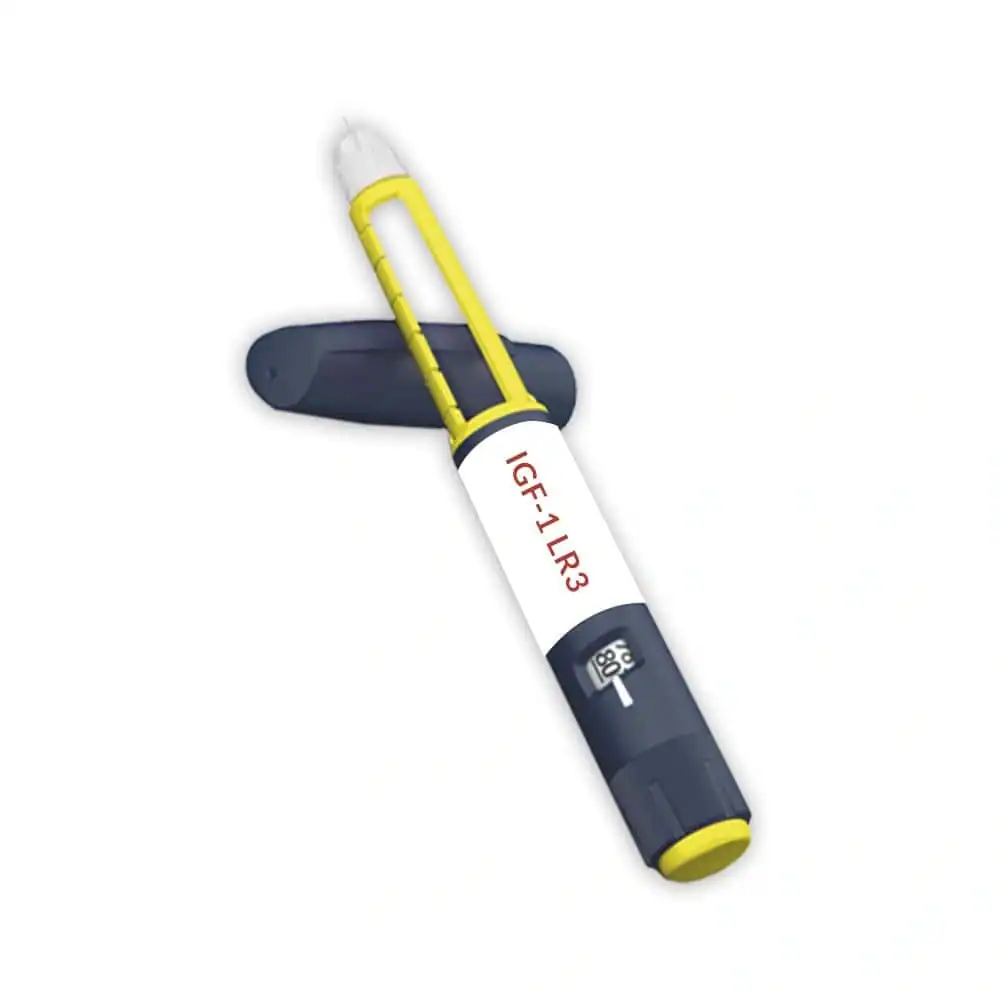
Check out IGF-1 LR3 from Direct Peptides Latvia, a growth factor peptide that aids muscle growth, recovery, and overall body regeneration.
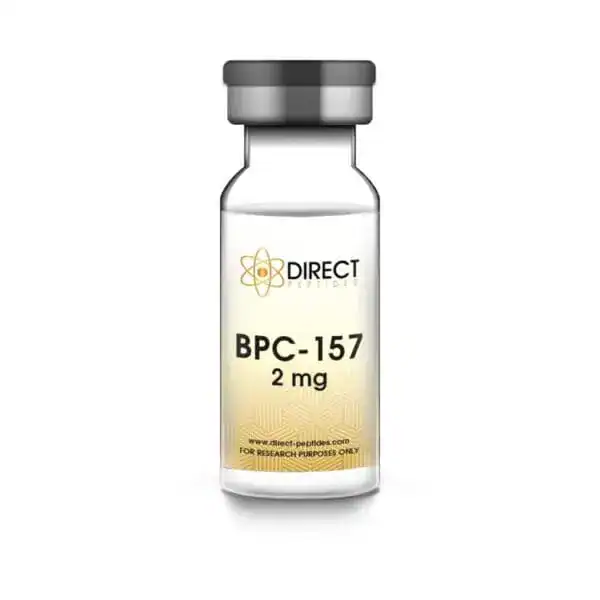
For example, BPC-157, which is often used for cellular repair and tissue repair, may not show up in a standard drug test. However, advanced peptide testing can detect it in more specific studies or research scenarios.
IGF-1 LR3 is a peptide involved in growth hormone production. Although it is not typically flagged in routine drug tests, it can show up in specialized tests that focus on growth factors or PEDs. Similarly, Ipamorelin stimulates growth hormone release but is not usually flagged in basic screenings. However, when tested under peptides drug screening for performance enhancement, it could be detected.
HCG, a peptide hormone often associated with fertility treatments, can also show up in specialized drug tests if it’s suspected to be used for performance enhancement or hormone manipulation.
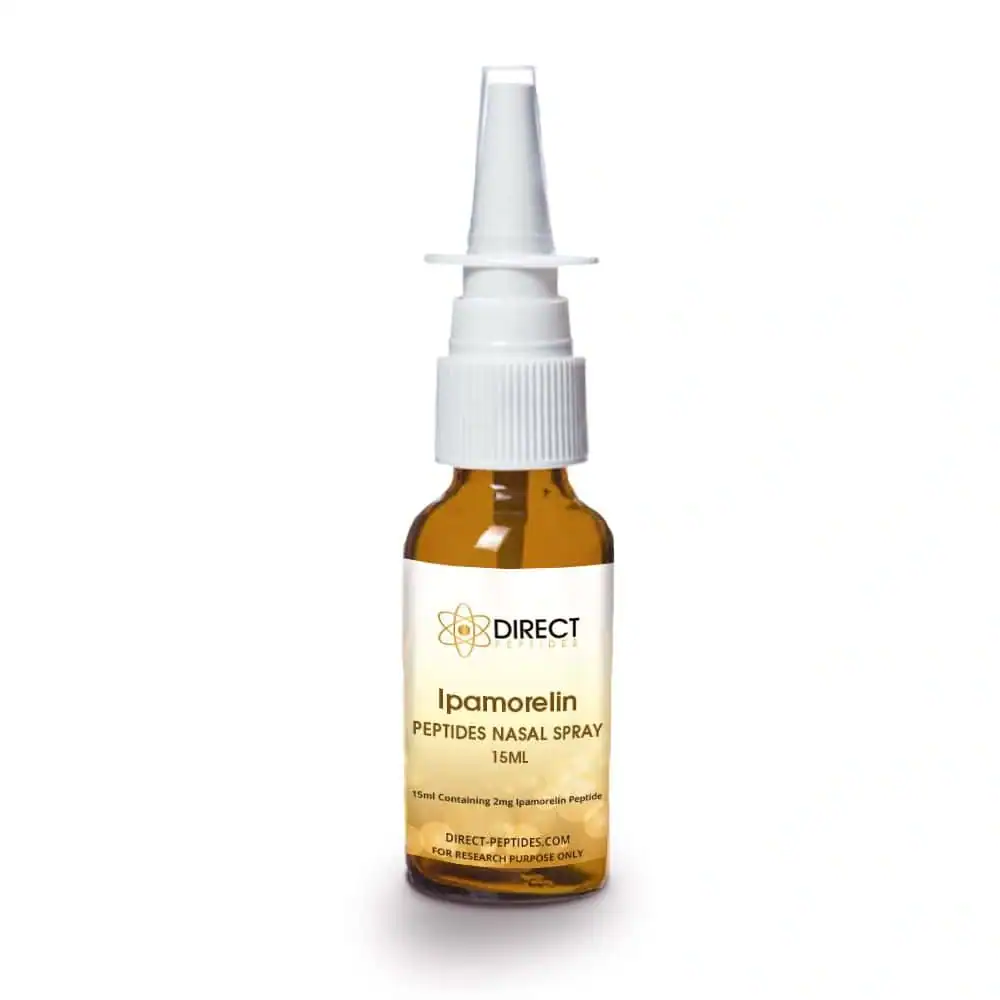
Explore Ipamorelin from Direct Peptides Latvia, a growth hormone secretagogue designed to stimulate natural growth hormone release for enhanced recovery.
Peptides like BPC-157, IGF-1 LR3, Ipamorelin, and HCG are often studied for their ability to enhance physical performance—whether in terms of muscle recovery, strength, or endurance. BPC-157, for instance, has been researched for its healing properties and its potential to reduce recovery times after injuries.
While BPC-157 is not commonly flagged in routine drug tests, performance-enhancing drug (PED) tests are designed to detect substances that can provide an advantage in competitive sports. In peptide drug screening, substances like IGF-1 LR3 and Ipamorelin may show up, particularly if the test is designed to identify growth factors or growth hormone-releasing peptides.
HCG, used off-label in some sports contexts to manipulate testosterone levels, may be flagged in peptides drug tests if an athlete is suspected of using it for performance enhancement.
Discover HCG Peptides from Direct Peptides Latvia, a hormone peptide often used in research to study reproductive health and hormonal regulation.
When it comes to peptides drug tests, the detection process can be more complex. Unlike steroids, which have metabolites that linger longer in the body, peptides like BPC-157 and IGF-1 LR3 are broken down more rapidly.
This makes them harder to detect through standard drug testing methods. However, specialized peptide testing methods like liquid chromatography-mass spectrometry (LC-MS) can identify specific peptides in biological samples, even in trace amounts.
In peptide drug screening, these advanced tests can isolate the unique molecular structure of peptides like Ipamorelin and HCG, allowing them to be detected even after they have been metabolized by the body.
Explore Peptide Supplies at Direct Peptides Latvia for all your reconstitution requirements.
Athletes subject to anti-doping tests are often tested for substances that can enhance their performance. This includes peptides like IGF-1 LR3, Ipamorelin, and HCG, which can potentially improve muscle growth, recovery, and overall athletic performance.
Although BPC-157 is not typically flagged in performance-enhancing drug tests, peptides such as IGF-1 LR3 and Ipamorelin are sometimes tested for in anti-doping procedures. HCG, used in some cases for manipulating testosterone levels, may also be flagged during peptides drug screenings aimed at detecting substances used to enhance athletic performance.
Standard drug tests are primarily designed to detect widely abused substances, such as narcotics or anabolic steroids. Peptides like BPC-157, IGF-1 LR3, Ipamorelin, and HCG typically do not fall into these categories, which means they are not commonly included in routine drug tests.
However, specialized peptides drug testing methods exist for research and anti-doping purposes. These tests are tailored to detect specific peptides and their metabolites. Advanced peptide testing, such as mass spectrometry, can be used to identify peptides even if they have been metabolized and broken down by the body.
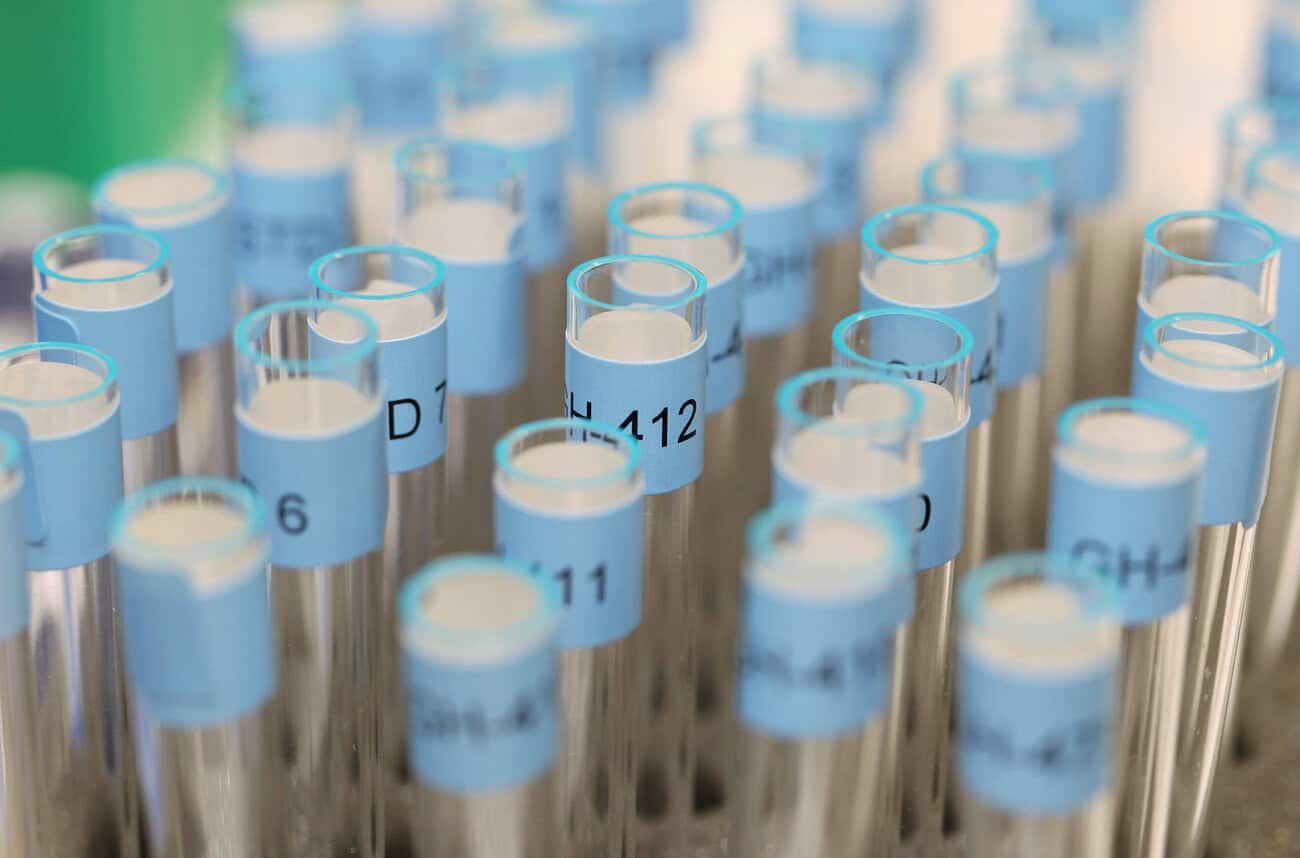
For researchers studying peptides in clinical trials or performance studies, it is important to understand when to use advanced peptide testing. While standard peptides drug tests may miss compounds like BPC-157 or IGF-1 LR3, advanced methods like LC-MS can identify these peptides in biological samples with great precision.
By using these advanced techniques, researchers can ensure that their studies are reliable and that peptides are accurately detected, helping maintain compliance with ethical guidelines.
As research into peptides like BPC-157, IGF-1 LR3, Ipamorelin, and HCG continues to evolve, the methods for detecting these substances will also improve. Drug discovery today involves new technologies in peptide detection, which will allow for more accurate and sensitive testing, ensuring that peptides are properly monitored, especially in the contexts of research and competitive sports.
For researchers and athletes, it’s crucial to understand how peptides drug tests work and to be aware of the specialized techniques available for detecting peptides. With advancements in peptide research and testing, the future of peptide detection in drug tests is bright, making it easier to monitor their use while maintaining compliance with regulations.
While peptides like BPC-157, IGF-1 LR3, Ipamorelin, and HCG are not commonly included in routine drug tests, they are detectable under specialized conditions especially in elite sport testing.
Peptide drug screening is an evolving field, and as more research emerges, the detection of peptides will continue to improve.
Researchers and athletes must stay informed about the available testing methods to ensure their work and practices remain ethical and compliant.
[1] Gómez-Guerrero NA, González-López NM, Zapata-Velásquez JD, Martínez-Ramírez JA, Rivera-Monroy ZJ, García-Castañeda JE. Synthetic Peptides in Doping Control: A Powerful Tool for an Analytical Challenge. ACS Omega. 2022 Oct 21;7(43):38193-38206.
[2] Abid MSR, Qiu H, Tripp BA, de Lima Leite A, Roth HE, Adamec J, Powers R, Checco JW. Peptidomics analysis reveals changes in small urinary peptides in patients with interstitial cystitis/bladder pain syndrome. Sci Rep. 2022 May 18;12(1):8289.
[3] Bruno BJ, Miller GD, Lim CS. Basics and recent advances in peptide and protein drug delivery. Ther Deliv. 2013 Nov;4(11):1443-67.
[4] Prasad S, Tyagi AK, Aggarwal BB. Detection of inflammatory biomarkers in saliva and urine: Potential in diagnosis, prevention, and treatment for chronic diseases. Exp Biol Med (Maywood). 2016 Apr;241(8):783-99.
[5] Dolan K, Rouen D, Kimber J. An overview of the use of urine, hair, sweat and saliva to detect drug use. Drug Alcohol Rev. 2004 Jun;23(2):213-7.
Shop ALL Peptide Vials from Direct Peptides Latvia today, your trusted supplier of premium clinical grade peptides online.
Most peptides do not show up on standard drug tests because routine panels focus on common drugs of abuse, not research peptides. Peptides break down quickly in the body and require specialized analytical methods, such as LC-MS/MS, to be detected. Only advanced or anti-doping tests are designed to identify specific peptides or performance-enhancing compounds.
Peptides linked to performance enhancement, such as IGF-1 LR3, HCG, GHRPs, and growth-factor peptides, are the most likely to be detected in specialized testing. Anti-doping laboratories specifically screen for substances that affect growth hormone pathways. However, routine workplace or clinical drug tests rarely include peptide detection unless targeted.
Typical urine screens detect metabolites from narcotics, stimulants, or alcohol, not complex amino-acid chains like peptides. Peptides degrade rapidly and don’t produce long-lasting metabolites, making them nearly invisible in standard immunoassay urine tests. Only research-grade or anti-doping labs use equipment sensitive enough to identify them.
Peptides are usually detectable for minutes to hours, depending on the type, dose, and metabolism. Because they break down fast, detection windows are short compared to steroids or recreational drugs. Anti-doping labs may still detect traces using highly sensitive mass-spectrometry methods, but standard screening does not track these short-lived compounds.
Some peptides, like IGF-1 variants, GHRPs, or HCG, are classified as performance-enhancing under WADA regulations. They may increase recovery, hormone production, or muscle growth, giving athletes an unfair advantage. As a result, anti-doping testing panels are specifically designed to identify these peptides even if routine drug tests cannot.
Blood tests offer a better chance of detecting peptides than urine, especially when combined with mass-spectrometry analysis. However, regular clinical blood panels do not screen for research peptides. Only specialized labs can detect peptide fragments or growth-factor activity, typically in sports testing, clinical trials, or targeted research.
Unlike common drugs, peptides do not leave long-lasting metabolites because they break down into amino acids. These amino acids are naturally present in the body, making peptide use extremely hard to confirm without highly targeted testing. This is why routine drug screens almost never detect them.
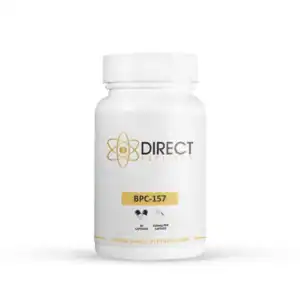
BPC-157 Capsules
£36.75 Select options This product has multiple variants. The options may be chosen on the product page
Ipamorelin Nasal Spray
Price range: £20.38 through £35.75 Select options This product has multiple variants. The options may be chosen on the product page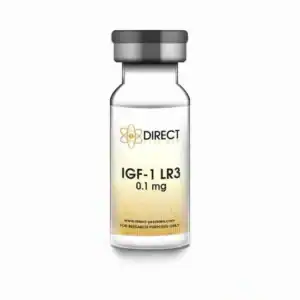
BULK BUY
BULK BUY
TWIN PACKS
IGF-1 LR3 Peptide Vial
Price range: £19.89 through £142.94 Select options This product has multiple variants. The options may be chosen on the product page
HCG Pre-Mixed Pen 5000iu Peptide
Price range: £35.29 through £95.28 Select options This product has multiple variants. The options may be chosen on the product pageThe Synergy of Semax and Selank Latvia: A Breakthrough in Peptide Therapy Peptide therapy leads modern medical advances by using

Tumor Suppression Signals Linked to Vilon in Latvia Preclinical Models Preclinical studies show that synthetic Vilon, a dipeptide made of

The Role of the Bronchogen Peptide Latvia for Lung Tissue Research Researchers study the bronchogen peptide in laboratory models to

AMPK and Diabetes Latvia: Exploring Potential in Insulin Sensitivity Research into AMPK and diabetes focuses on how AMPK acts as